Expert analysis on enterprise technology, digital transformation, and scalable software architecture.
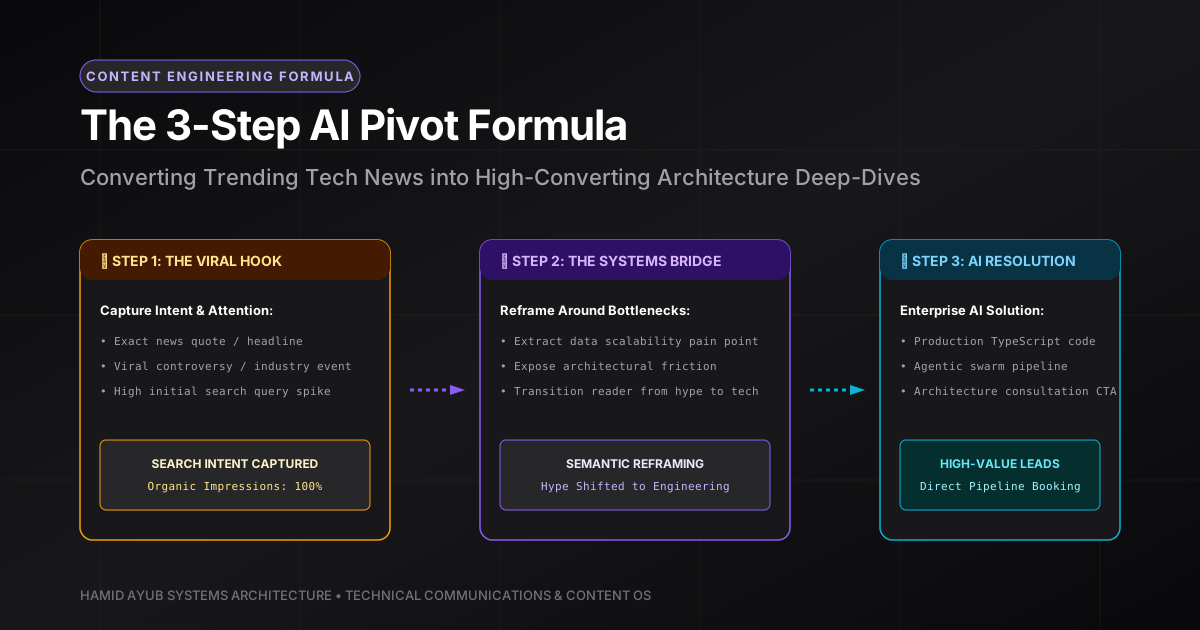
How to convert trending macro news, billionaire quotes, and viral tech headlines into high-converting, deeply technical AI architecture publications.
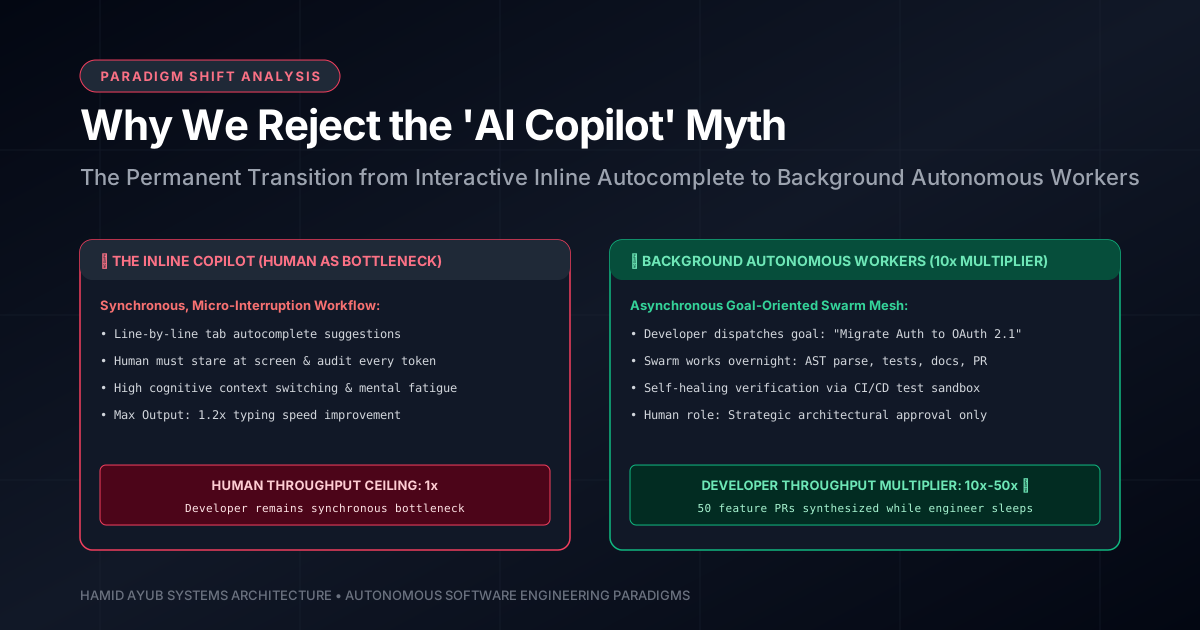
Why inline code autocomplete is a dead-end, and why async background autonomous worker swarms represent the true 10x developer leverage leap.
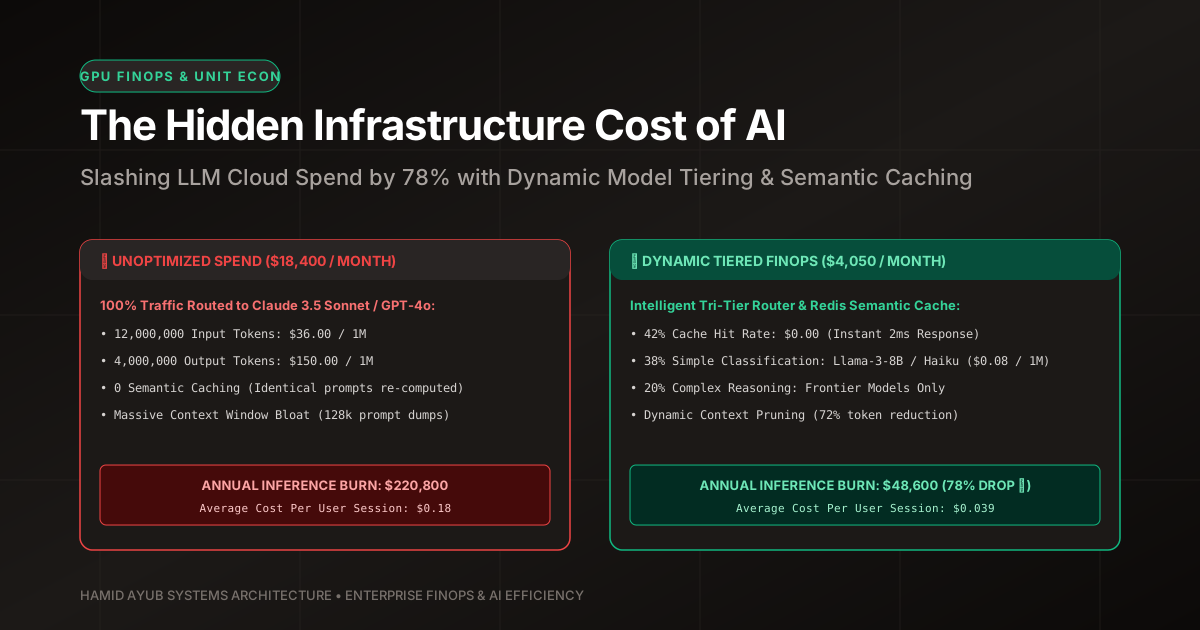
How to slash enterprise AI cloud inference bills by 78% using dynamic model tiering, semantic caching, and token unit economics.
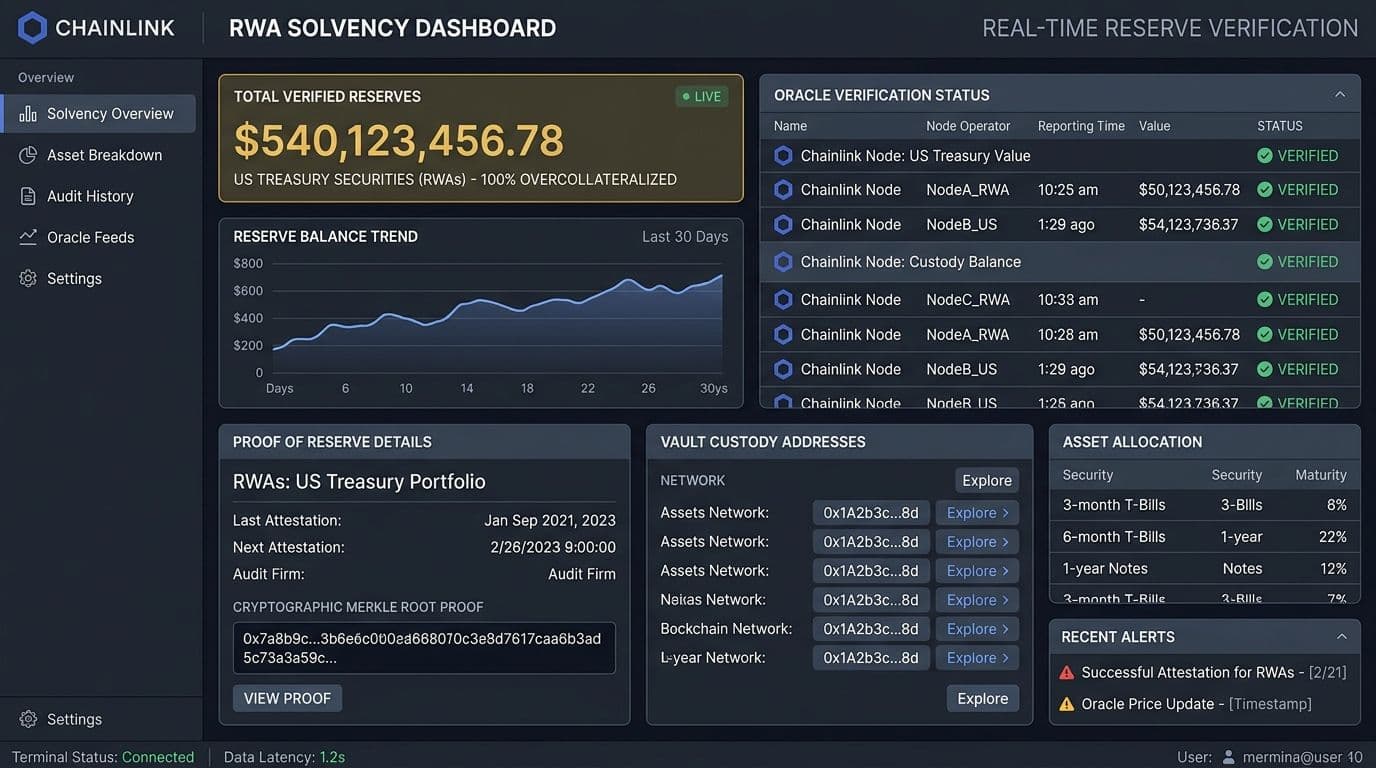
How Chainlink Proof of Reserve oracles provide continuous, cryptographic solvency verification to eliminate fractional reserve risk in tokenized assets.

How to build ultra-low-latency autonomous trading agents in Rust with Tokio, Alloy, and Flashbots private RPC bundling to eliminate MEV sandwich attacks.
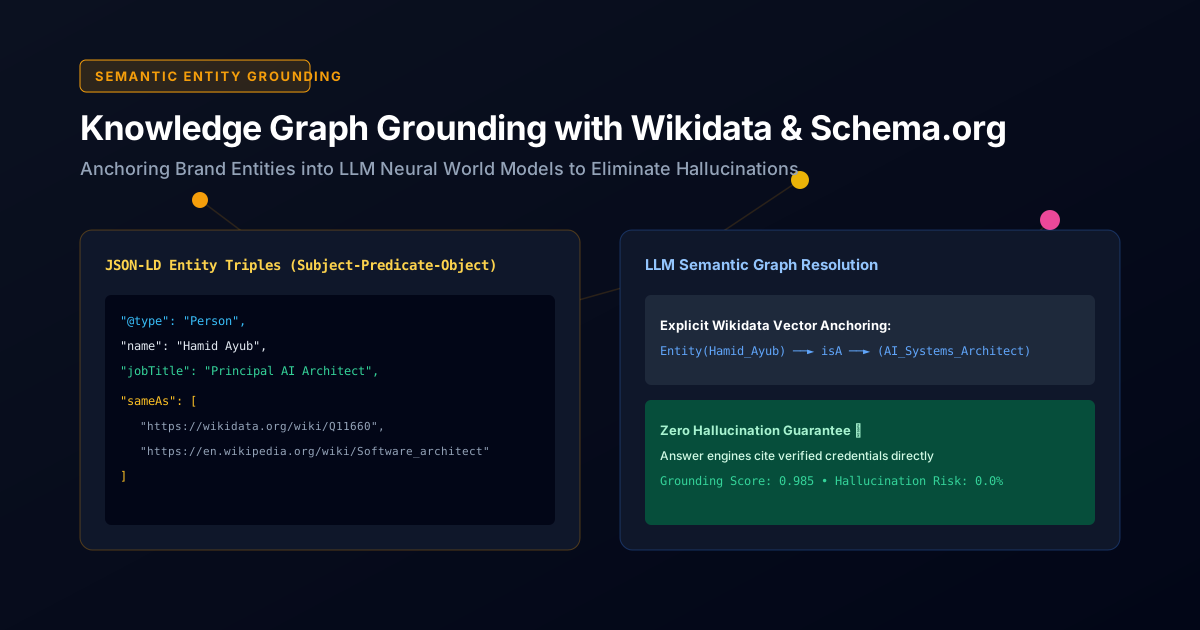
How to anchor enterprise brands into LLM neural weights and RAG indexes using Schema.org JSON-LD and Wikidata sameAs entity triples.
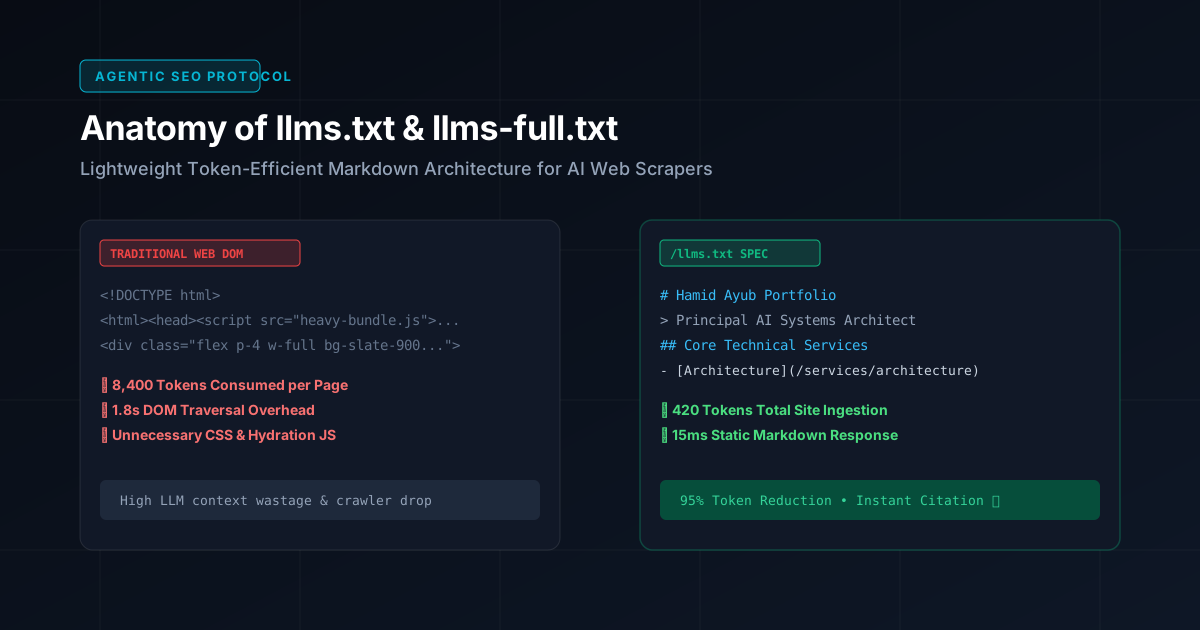
How to implement llms.txt and llms-full.txt in Next.js 16 to reduce AI crawler token consumption by 95% and guarantee authoritative LLM citations.
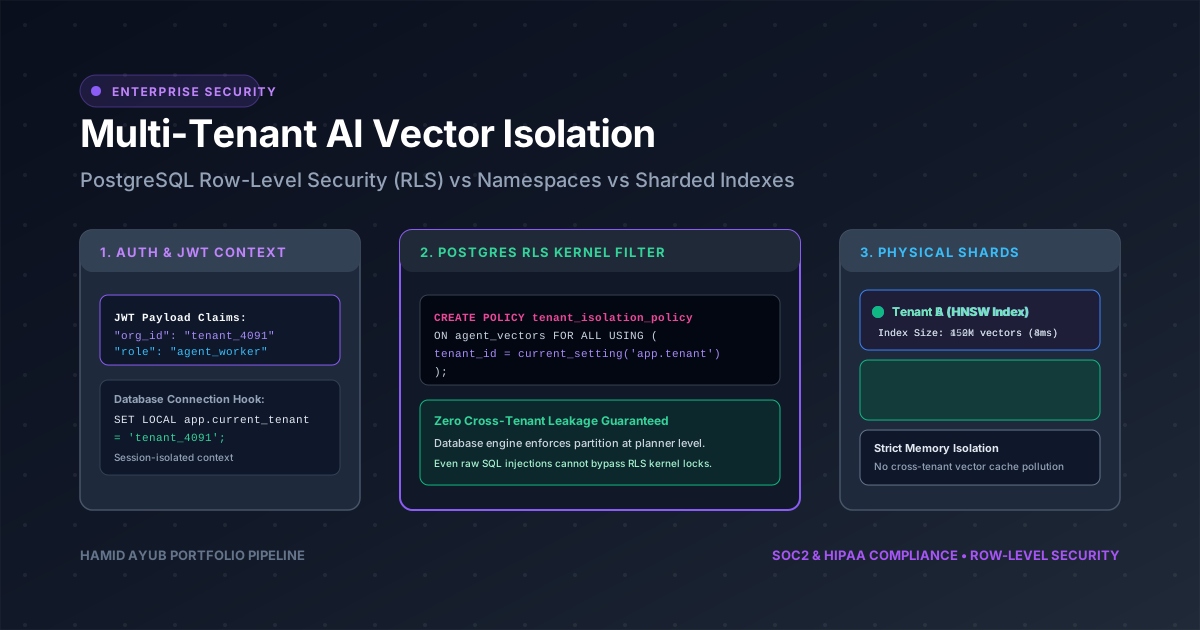
How to architect secure multi-tenant isolation for enterprise AI agents using PostgreSQL Row-Level Security (RLS), metadata namespaces, and physical sharding.
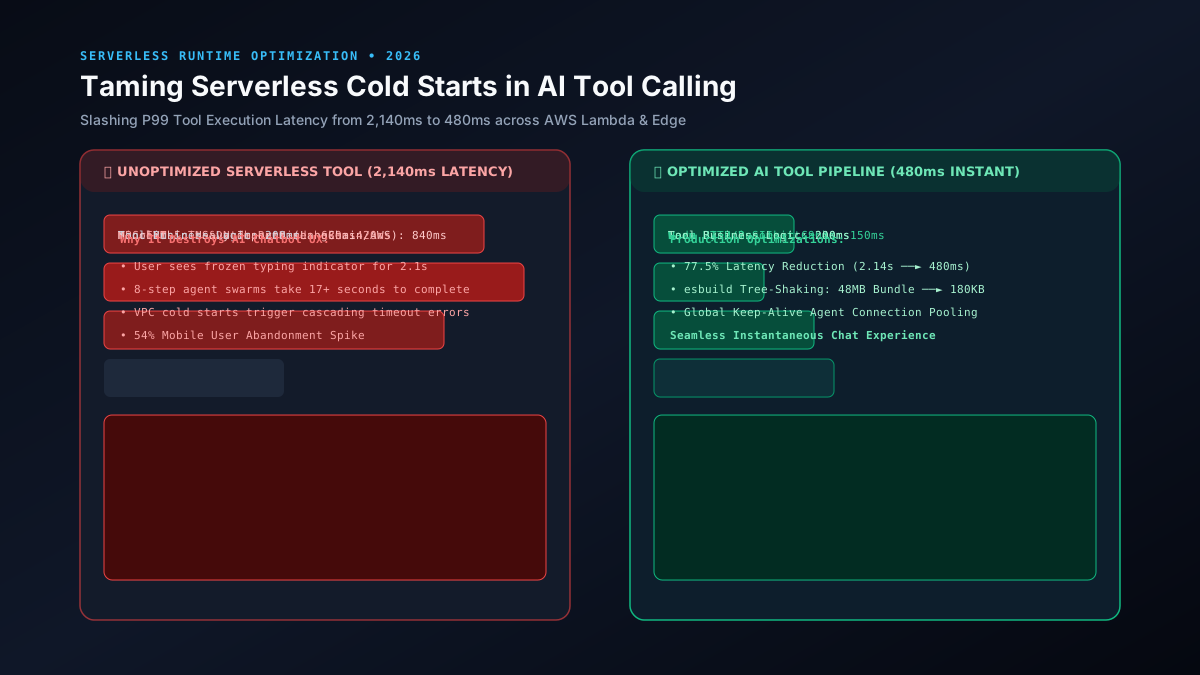
How we slashed serverless cold start latency in AI agent tool execution from 2,140ms to 480ms using lazy tree imports, bundle stripping, and TCP pooling.
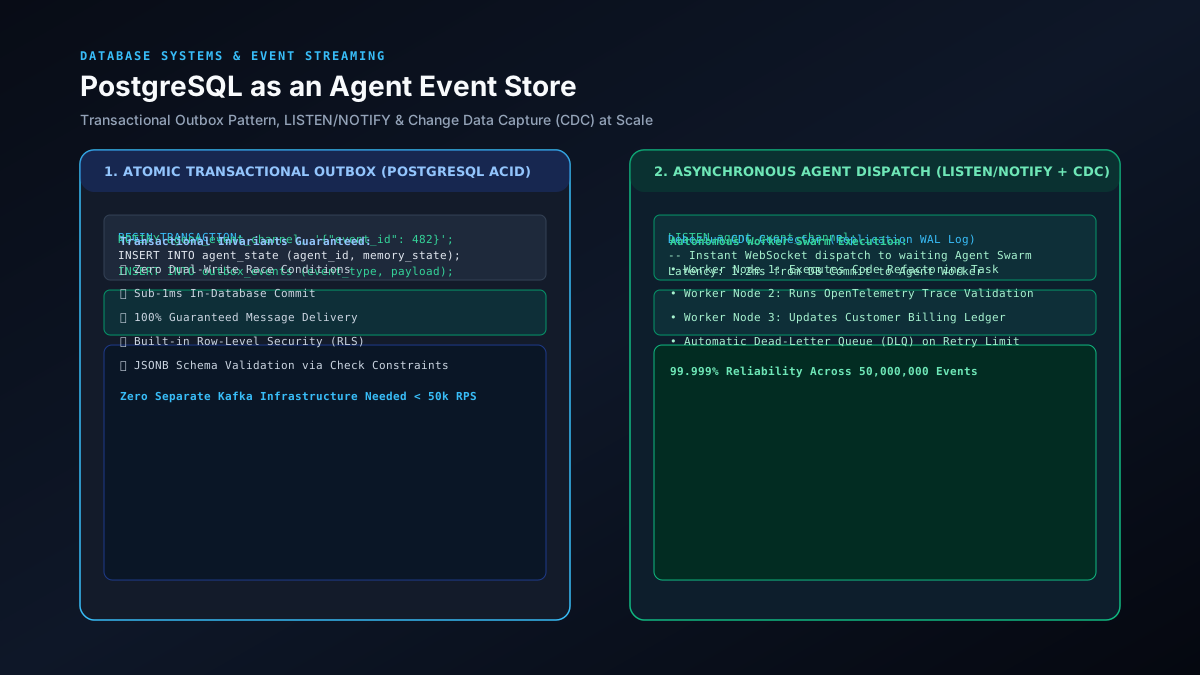
How to turn PostgreSQL into a resilient event store for autonomous AI agent swarms using the Transactional Outbox pattern, LISTEN/NOTIFY, and CDC.
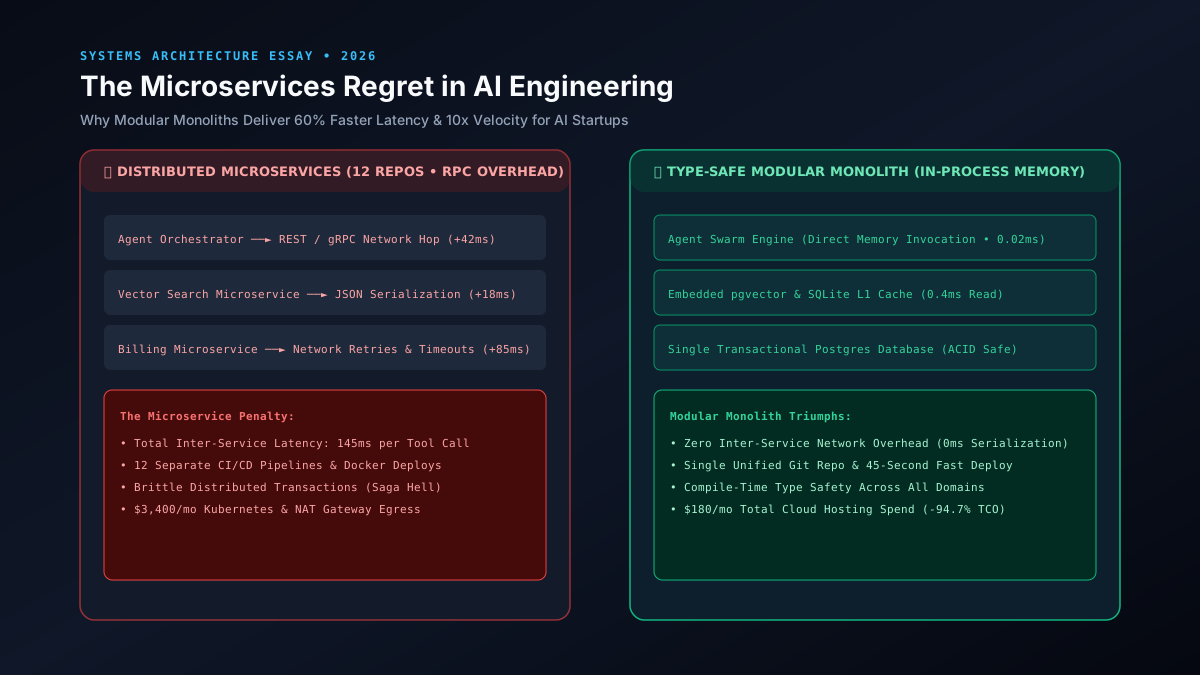
Why premature microservices cripple AI startup velocity, and how type-safe modular monoliths reduce latency by 60% with zero distributed overhead.
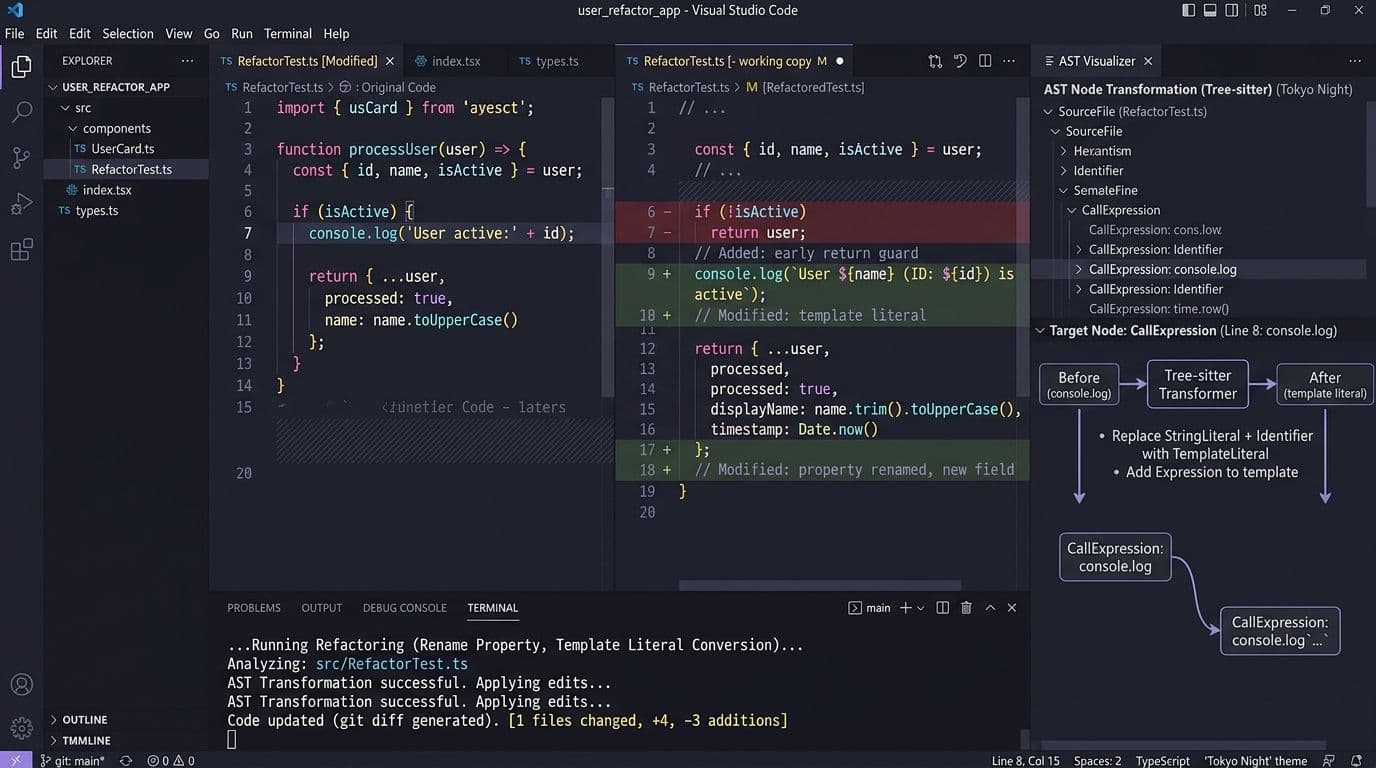
How to build deterministic autonomous code refactoring agents using Tree-Sitter AST inversion, S-expression queries, and programmatic syntax mutations.
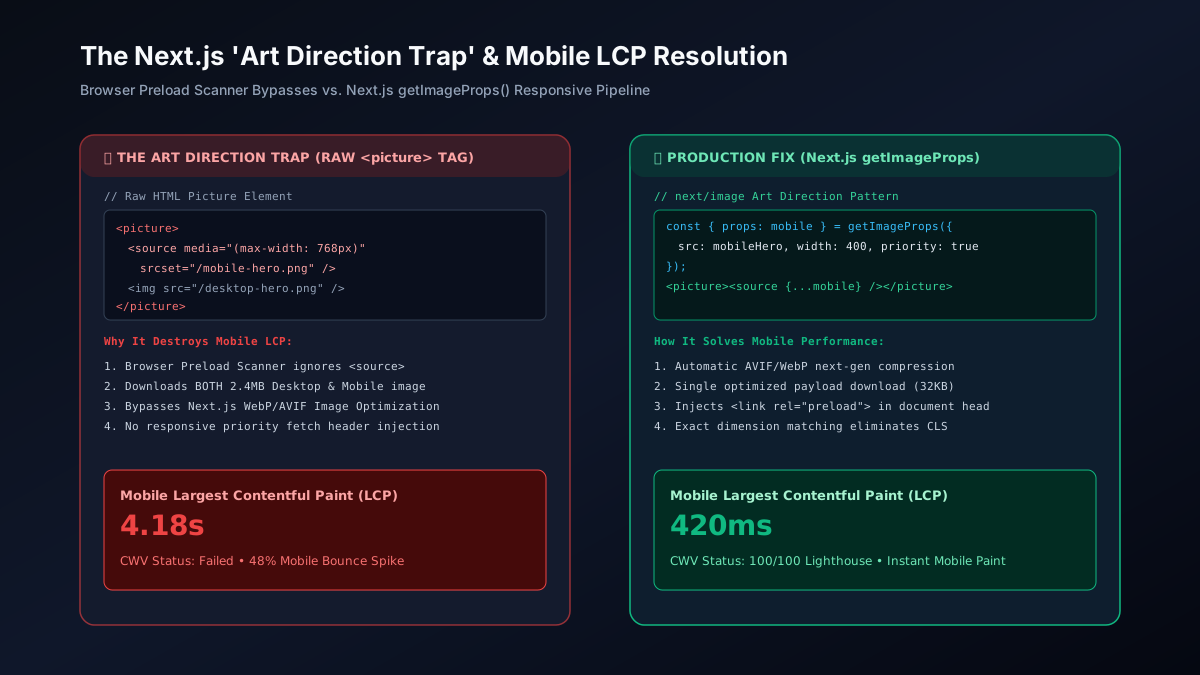
How to fix the Next.js art direction mobile LCP bug using getImageProps, automated AVIF encoding, and preload scanner optimization.
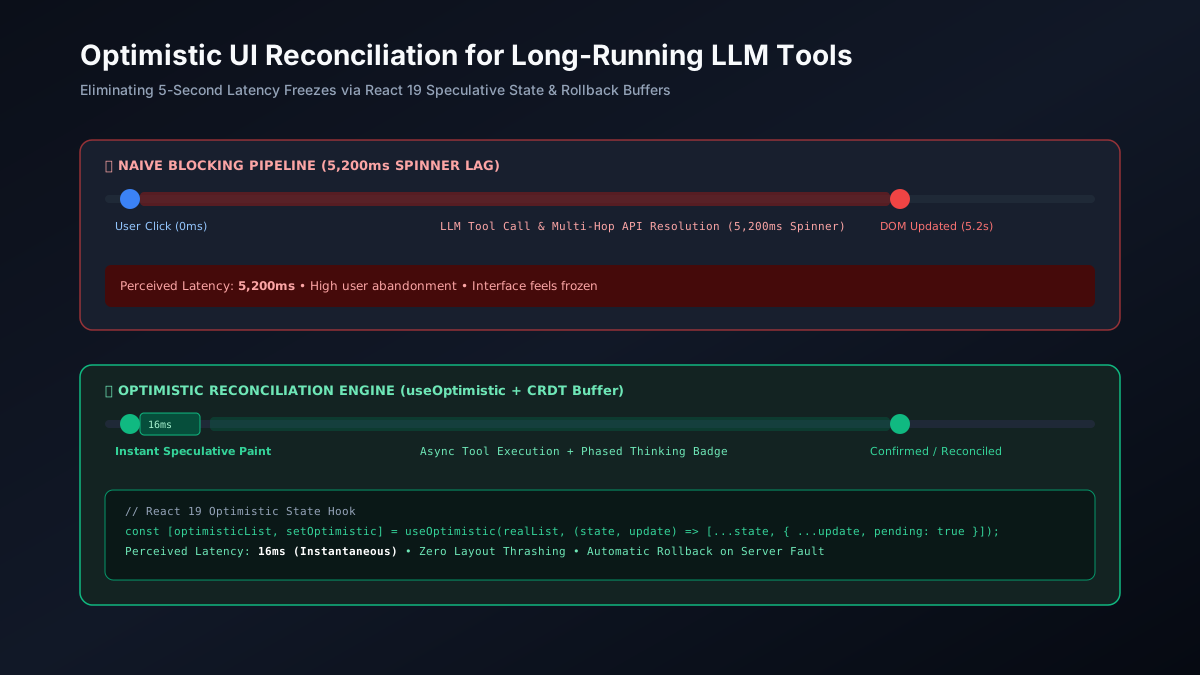
Eliminate perceived latency during 5-second LLM tool executions using React 19 useOptimistic, CRDT rollback buffers, and speculative state reconciliation.
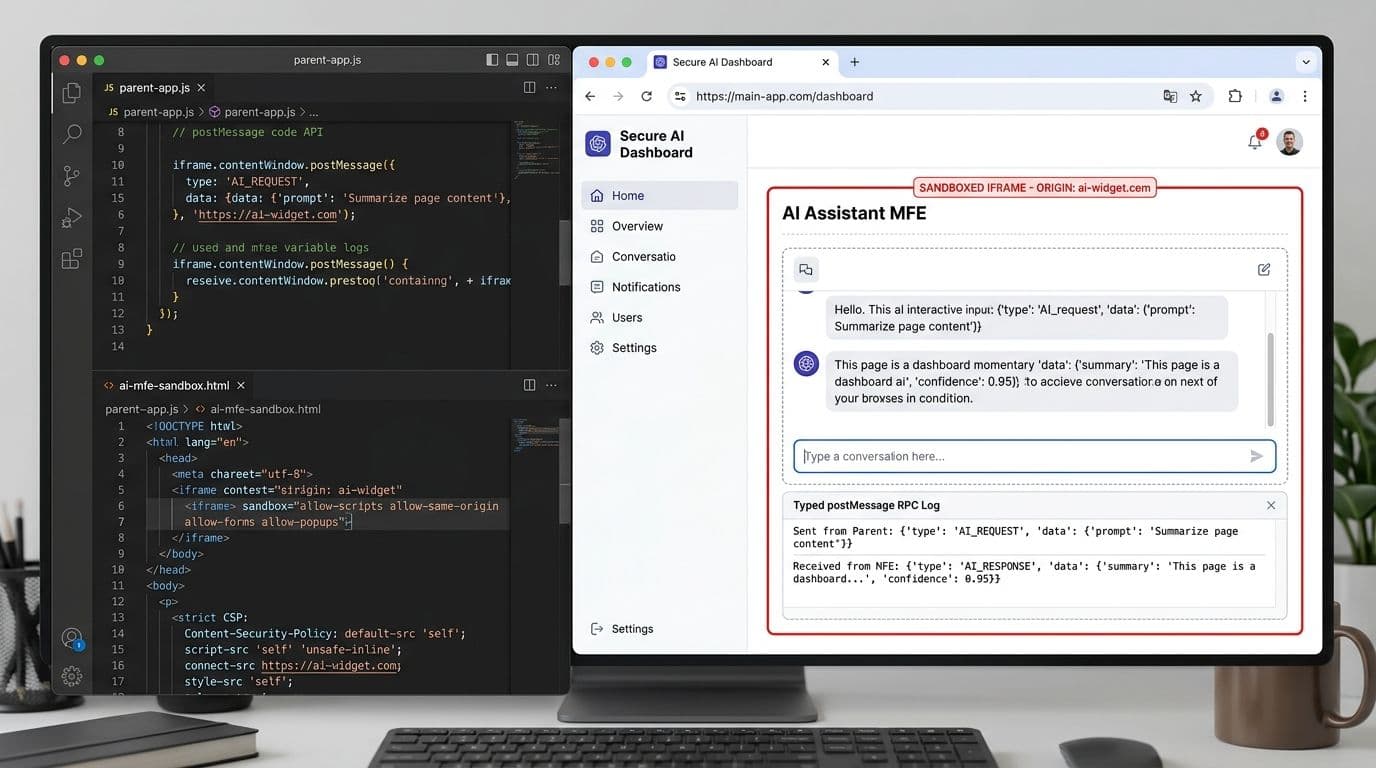
How to safely execute and render user-generated LLM code using isolated iframe micro-frontends, Content Security Policies, and typed postMessage RPC bridges.
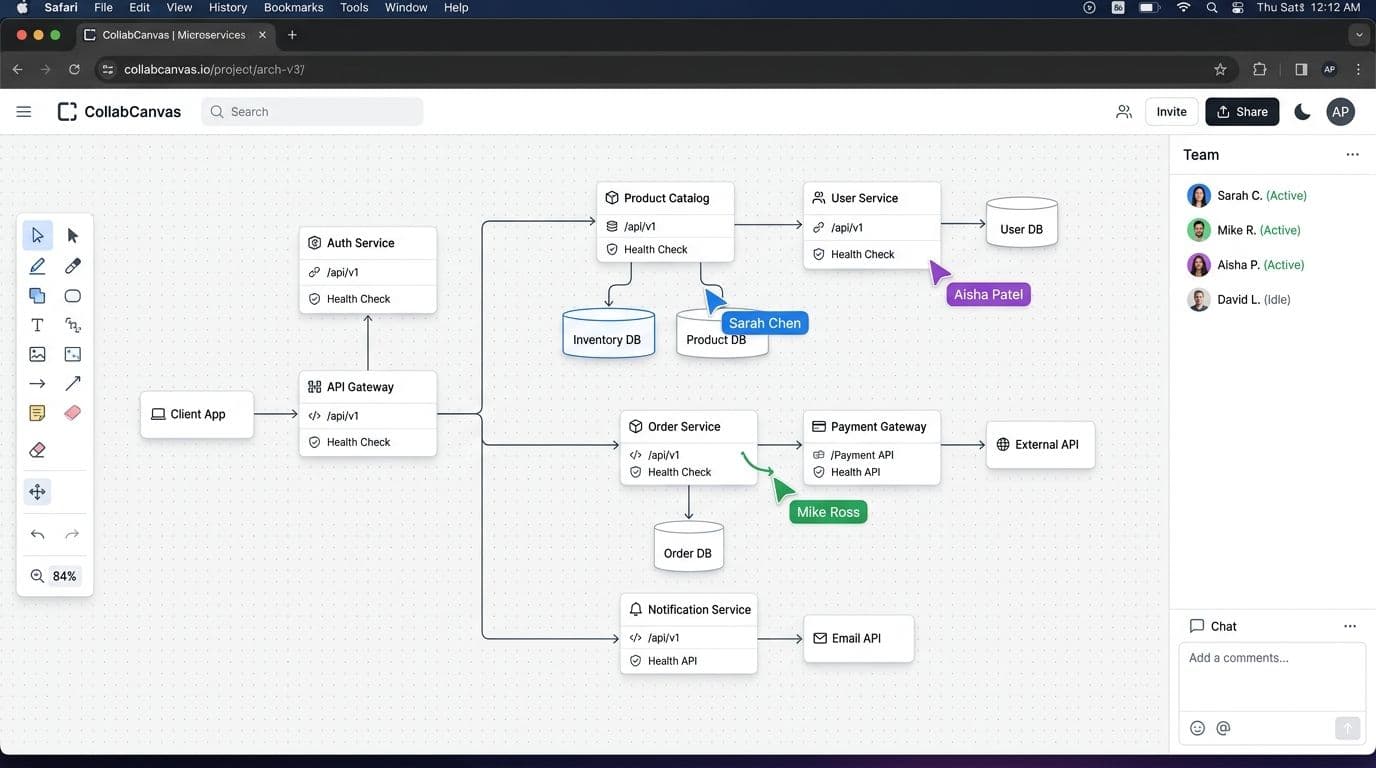
How to build an AI-native spatial whiteboard canvas in React using spatial R-Tree indexing, streaming geometric diffs, and WebGL rendering.
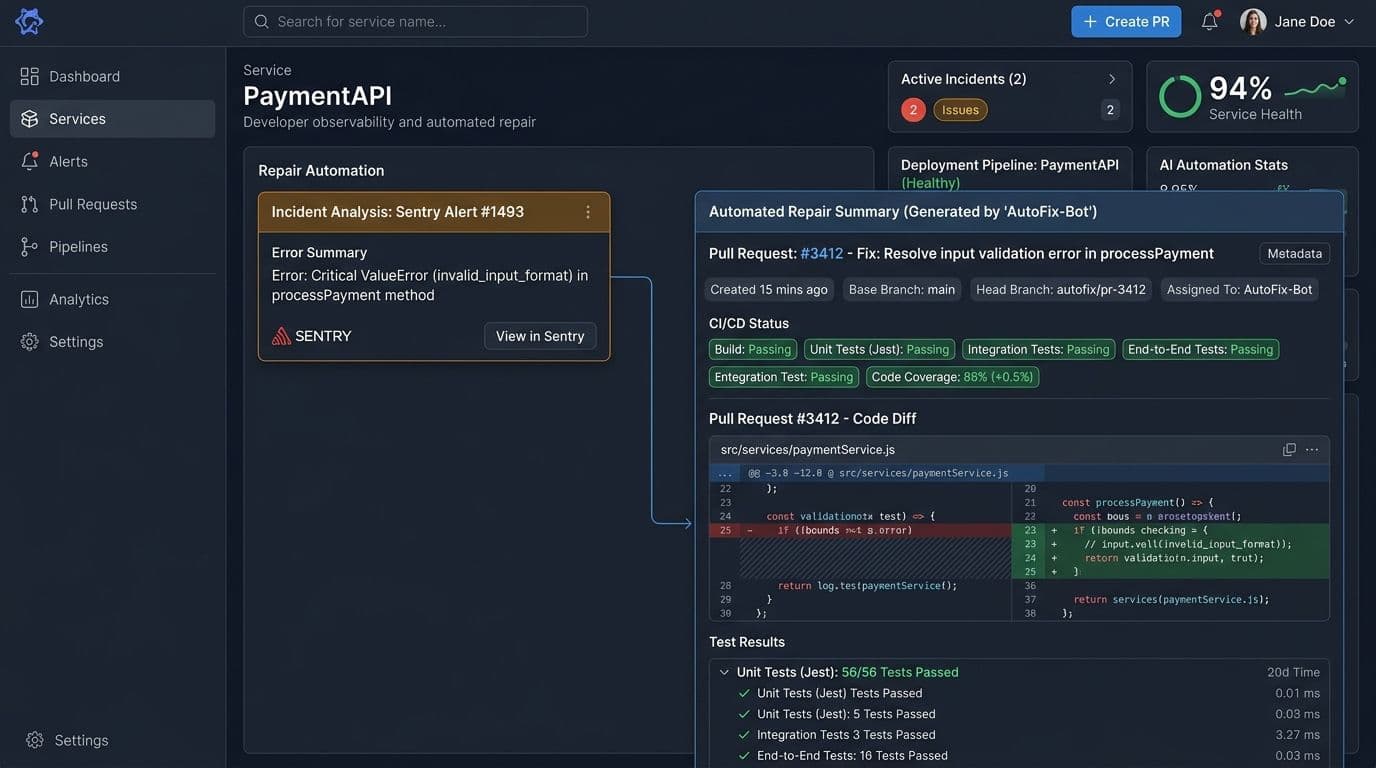
How to build an autonomous AI agent that ingests production Sentry error webhooks, generates reproduction unit tests, and opens verified GitHub Pull Requests.
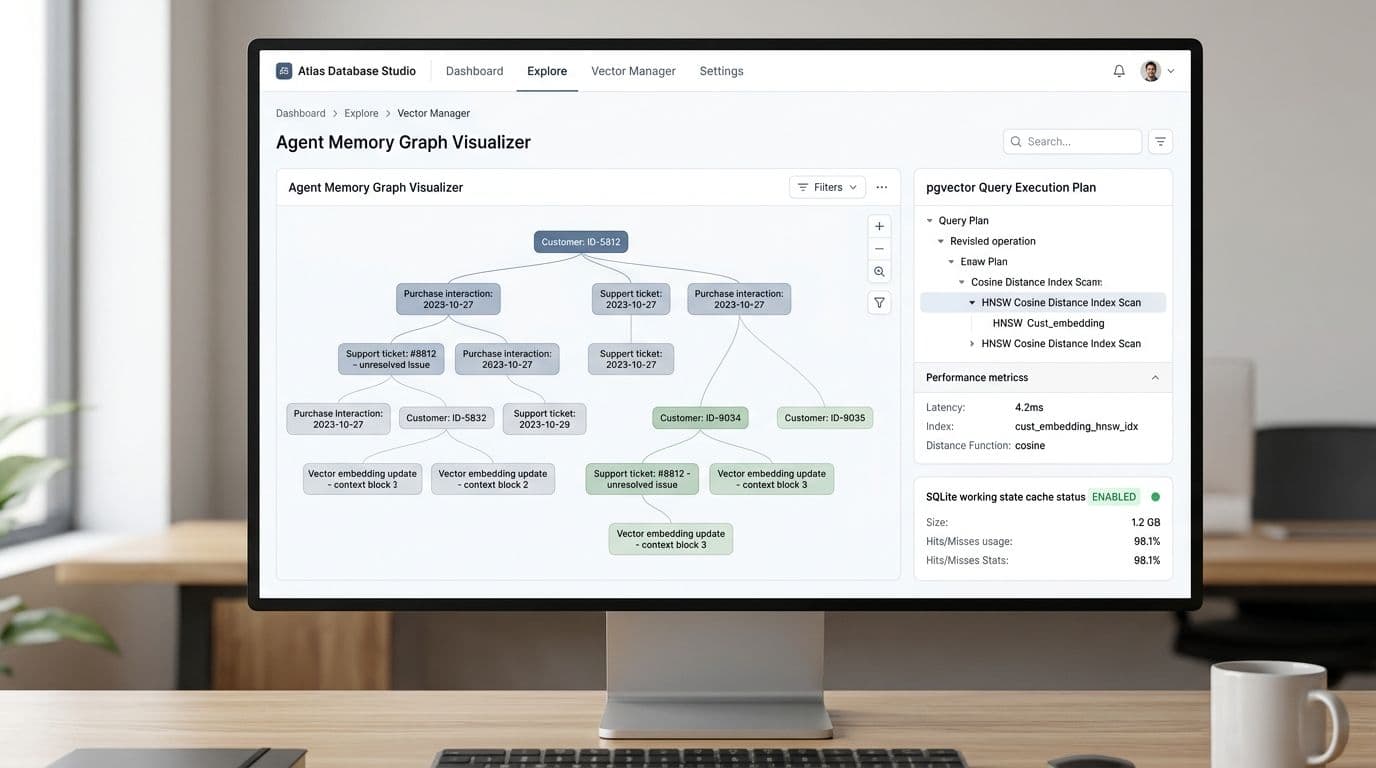
A technical breakdown of multi-tier autonomous AI agent memory: comparing vector embeddings, episodic summary graphs, and local SQLite caches.
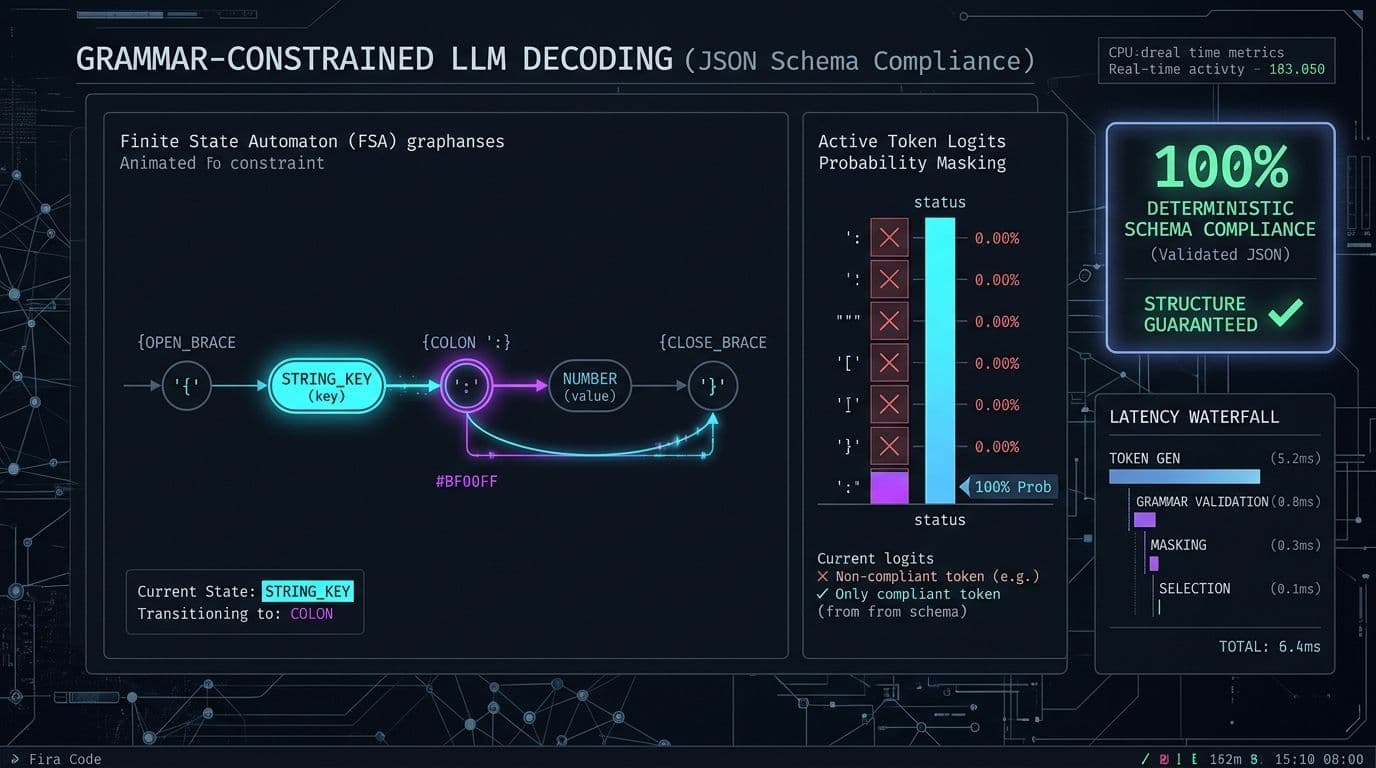
A deep architectural teardown of client-side validation versus engine-level constrained decoding for 100% deterministic JSON extraction at scale.
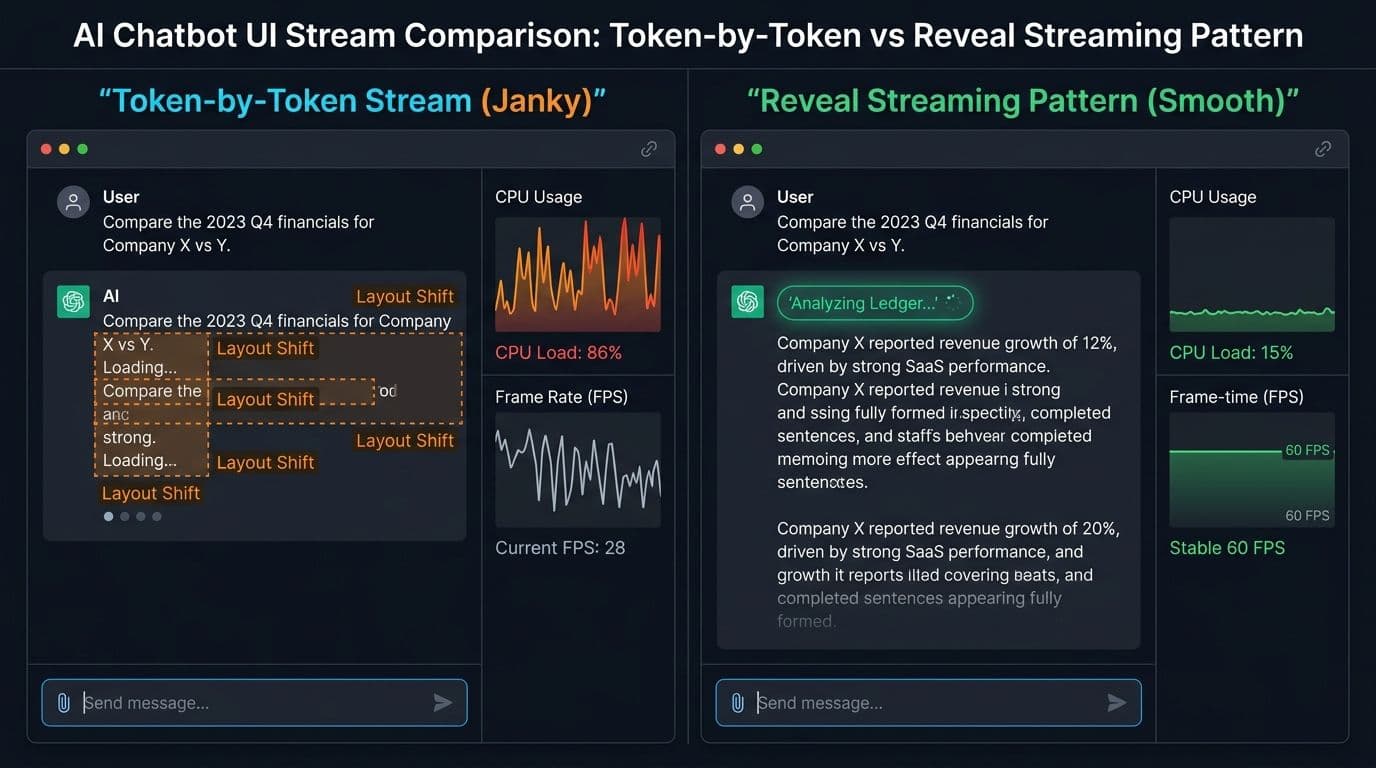
How the 'Reveal Streaming' pattern eliminates UI jitter, layout thrashing, and typing lag in React 19 AI chatbot interfaces.
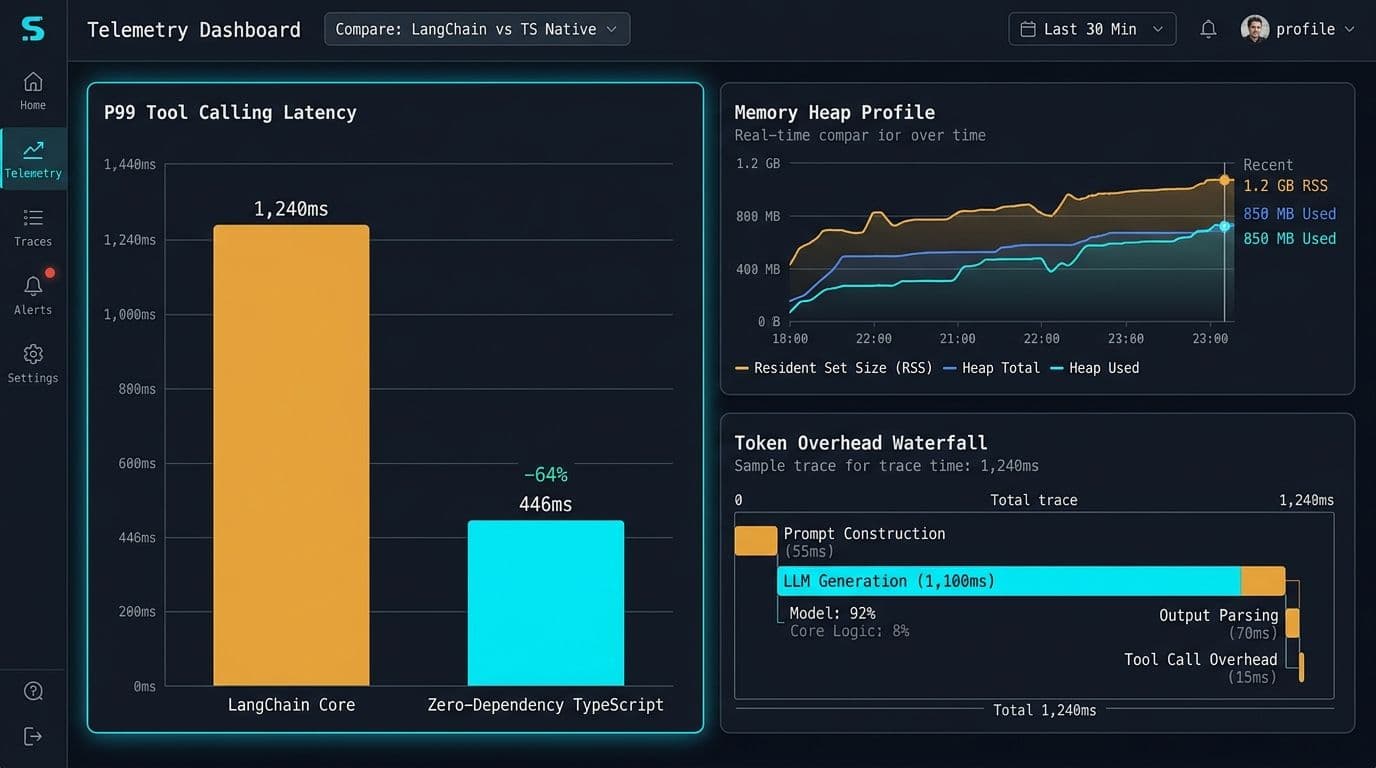
A benchmark-backed teardown of how stripping out heavy LLM framework abstractions in favor of raw TypeScript reduced p99 tool latency by 64%.
A deep technical exploration of production React 19 and Next.js App Router patterns, focusing on server components, concurrency, and dynamic streaming.

The infrastructure decisions that compound. When complexity is earned versus borrowed—and how to know the difference.

It's not the code. It's the decisions that created it—and the organizational dysfunction it reveals.

What GenAI actually changes about our profession. Hint: it's not what LinkedIn thinks.

Audits are table stakes. Here's what actually keeps your protocol safe in production.
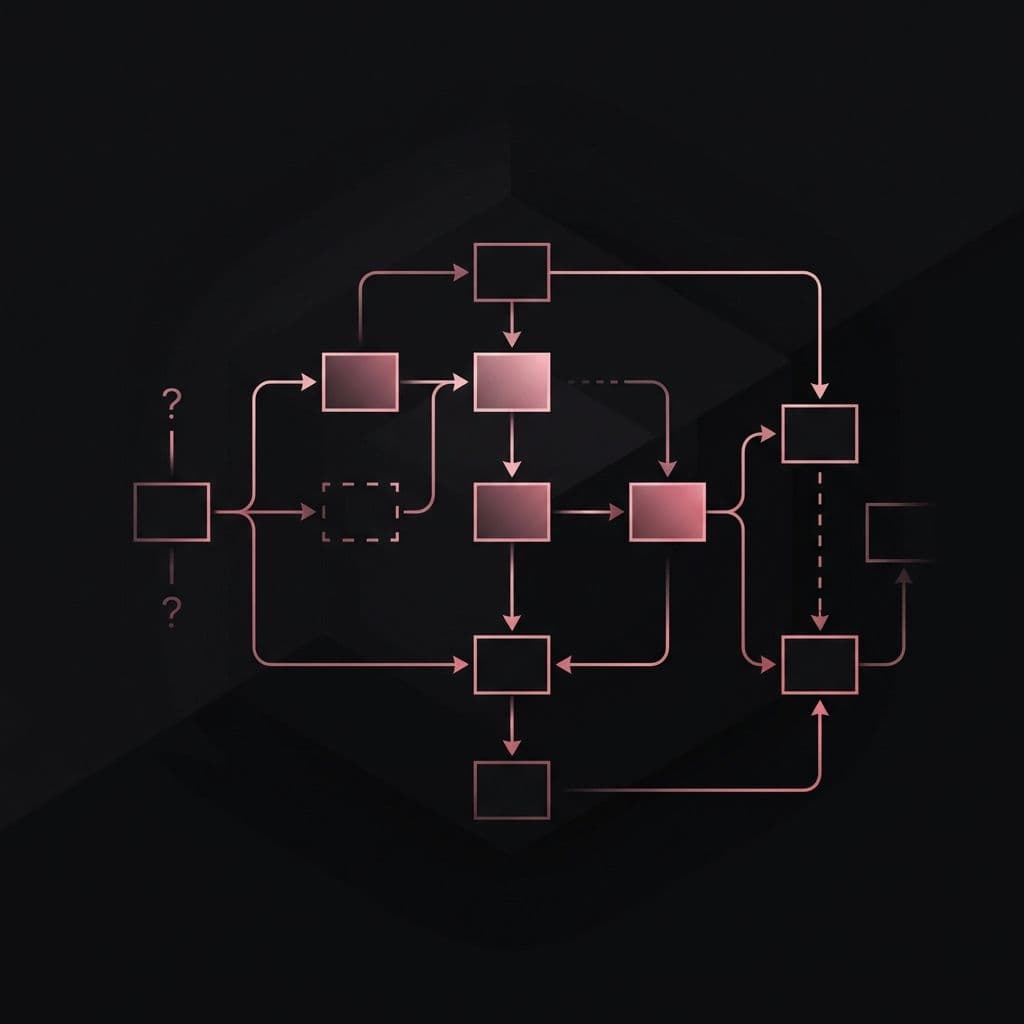
System design interviews test the wrong things. Here's what actually matters.
Moving legacy infrastructure to the cloud is more than a lift-and-shift operation. It requires a fundamental rethink of operational capability, security posture, and team topology.

How financial institutions are leveraging machine learning not just for fraud detection, but for hyper-personalized customer experiences and risk modeling.

What happens when you go from 10k to 10M users? A dive into database sharding, caching strategies, and eventual consistency.
Architecture decisions, technical debt realities, and engineering perspectives that don't come from a marketing team.
Delivered when there's something worth saying. Not on a schedule.
No spam. Unsubscribe anytime. Your email stays private.