The narrative that "AI will replace coders" is lazy. It fundamentally misunderstands what a Senior Engineer does. Typing syntax is the least valuable part of our job. The high-value work is establishing context, managing ambiguity, and making architectural trade-offs. AI raises the baseline of competence, but it raises the ceiling of leverage even higher.
Syntax vs. Semantics
LLMs are incredible at syntax. They can write a Python function to parse a CSV in seconds. But they struggle with semantics—the meaning and intent behind the code. They don't know that this specific microservice needs 99.99% uptime because it handles payments, unlike the logging service which can fail gracefully.
The "Junior Engineer" role is changing. You can no longer make a career out of just knowing React hooks. You need to understand the system.
The New Skill Set: AI Orchestration
The engineer of 2025 is not a "Coder"; they are an "AI Orchestrator" or a "System Architect."
- Prompt Engineering is Debugging: Writing a prompt is just a higher level of abstraction than writing C++. You are still instructing a machine; the syntax is just English. Precise communication is now a programming language.
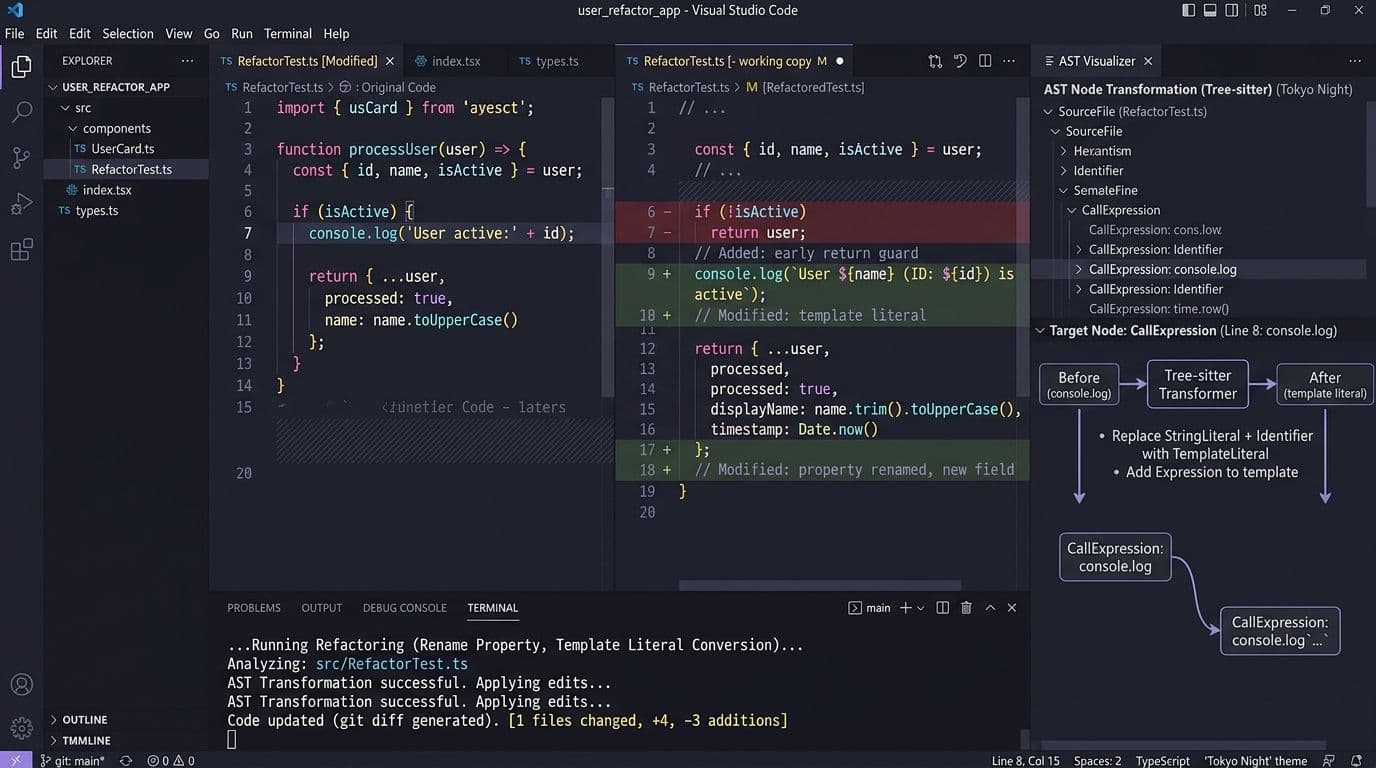
- Code Review is Critical: If you blindly paste ChatGPT code, you are introducing vulnerabilities. The ability to read, audit, and understand generated code becomes more valuable than writing it from scratch.
- System Thinking: Because generating code is cheap, the bottleneck moves to integration. How do these generated blocks fit together? How do they scale?
The Rise of RAG and Agents
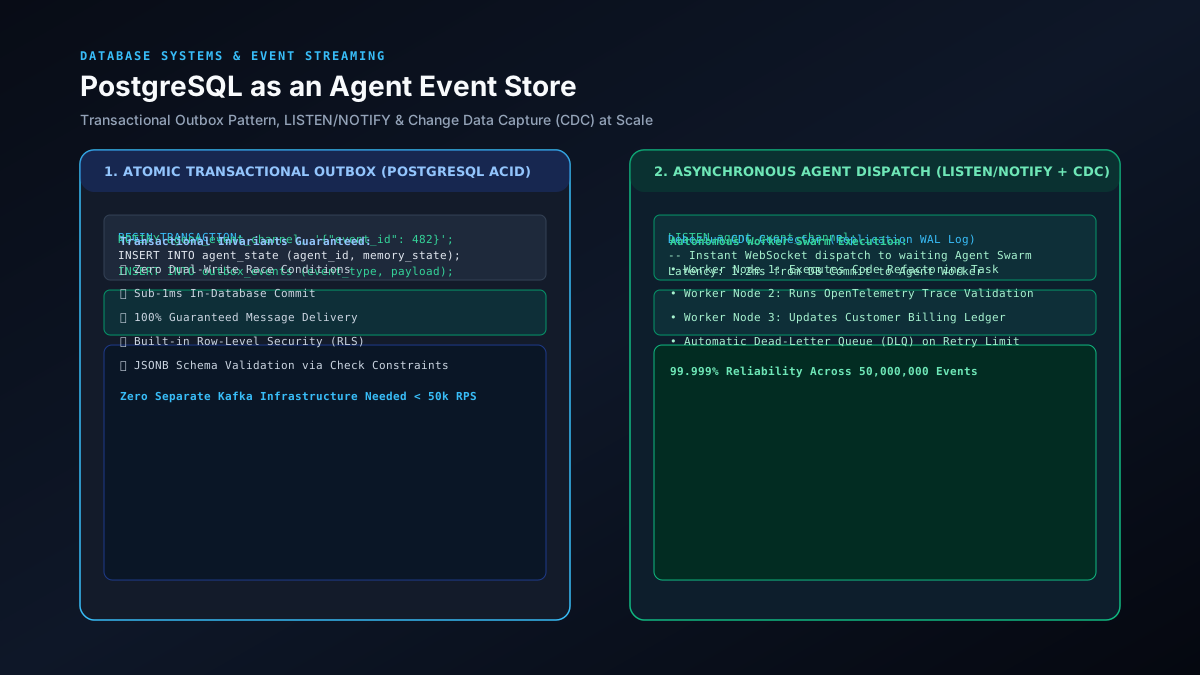
We are moving past simple chatbots. Retrieval Augmented Generation (RAG) allows us to give LLMs "long-term memory" by connecting them to vector databases. Agents allow LLMs to use tools (search the web, run SQL queries). Building these systems requires a deep understanding of data engineering, embeddings, and stochastic constraints.
"AI is a 100x multiplier for the engineer who knows what they want to build. It is a 0x multiplier for the engineer who waits to be told what to do."
Adapt or Die
The engineers who will be replaced are the ones who refuse to adapt—the ones who hoard knowledge of obscure syntax as job security. The best engineers are already using Copilot and GPT-4 to automate the boring parts of their job so they can focus on the hard, interesting problems: Distributed Systems, consensus algorithms, and user empathy.